



mmw
Zasłużeni forumowicze
-
Dołączył
-
Ostatnia wizyta
Treść opublikowana przez mmw
-
Jak Ci "odcielo wszystko", to rozumiem, ze auto nie zamykales w ogole, wrociles po godzinie i po prostu pociagnales dzwignie maski?
-
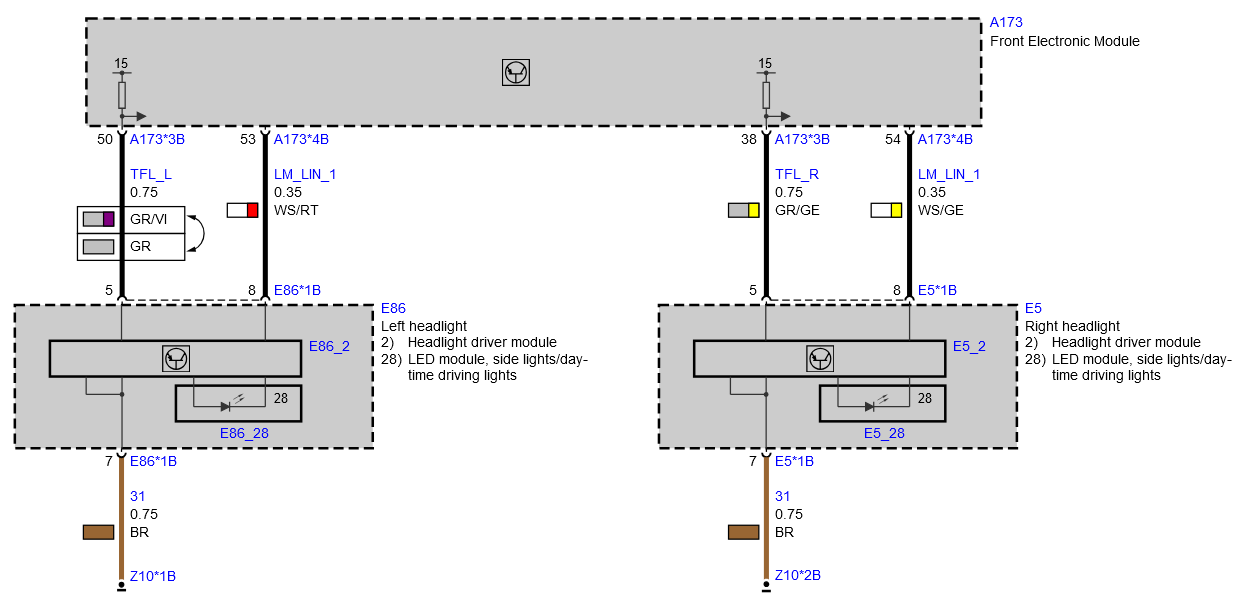
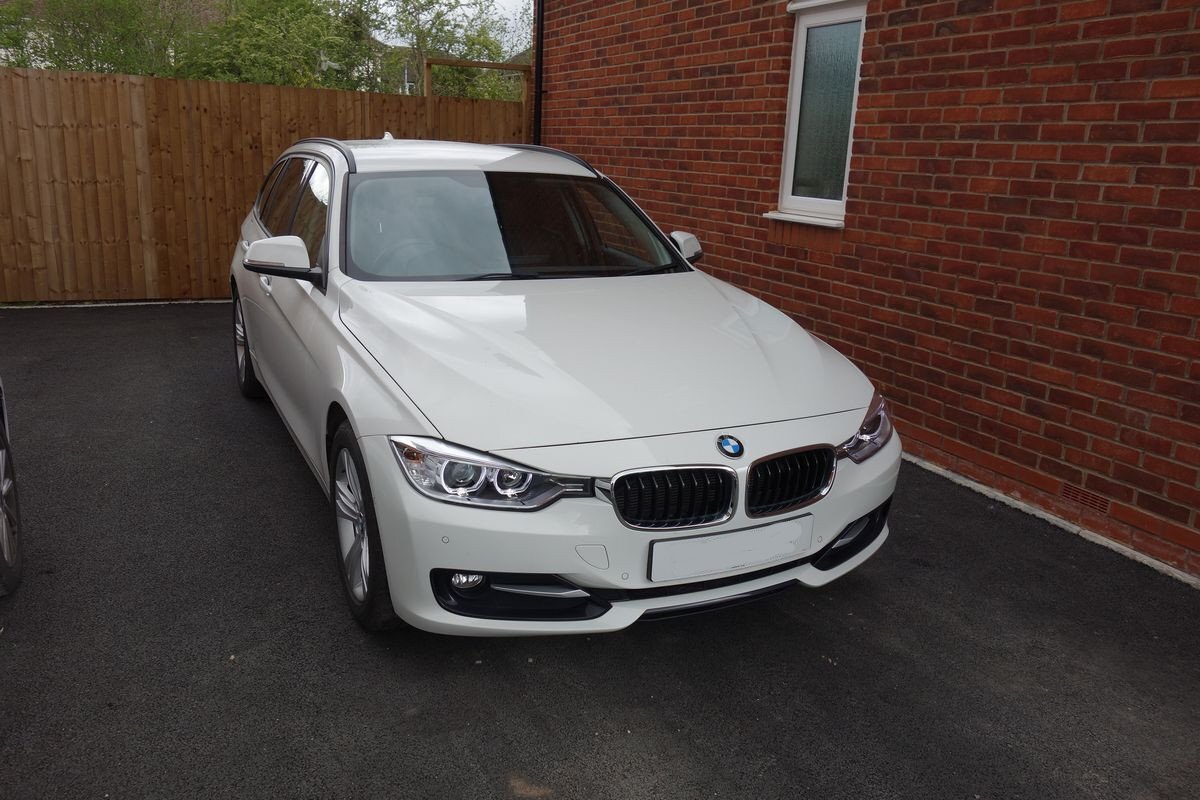
NIe masz zadnych bledow, nie ma ten kabel jakiegos zwarcia do jakiegos LIN itd?No jak masz ksenony, to powinienes miec samopoziomowanie dorobione, ale jak nie masz i jakos sobie przeglad zawsze zalatwisz, lub diagnosta nie zauwazy, to z tego co pamietam, powinienes miec wlacznik do ksenowow (czyli z jedym pokretlem) a nie halogenow, a taki pokazales na zdjeciu. Jak podlaczysz ten wlacznik i zakodujesz prawidlowo, to on bedzie szukal silniczkow to regulacji lamp, a Ty tam nawet przewodow do tego nie masz, wiec bedzie duqa. Jak zakodujesz na taki bez pokretla, to bedziesz mial blad, czyli tez duqa. ? Dlaczego kupiles wlacznik z dwoma pokretlami skoro oryginalnie miales w aucie z jednym? Czemu nie kupiles takiego samego wlacznika tylko z obsluga tylnych przeciwmgielnych? A kolejny hit, ktory widze na zdjeciu, to jest to przelacznik do samochodu bez czujnika deszczu/zmierzchu. Jezeli faktycznie kupiles taki jak pokazales, to powiem Ci, ze gratulacje. :)))BEL_LIN_VAR Rozumiem, ze nie masz ksenonow? Kupiles wlacznik z dwiema rolkami i przeciwmgielnymi przod i tyl?No to wyglada, ze musisz po prostu podlozyc drugie DSC, zakodowac i zobaczyc czy pomoglo.ACC dziala zarowno z radarem dlugodystansowym jak i krotkodystansowym, ponizewaz wtedy opiera sie to na kamerze, tak jak np. w tanszych autach z grupy VW. Dokladne informacje ponizej. Vehicle guidance: Active Cruise Control (ACC) Functional description Active cruise control regulates the set speed specified by the driver and, if necessary, also the preselected following distance from a vehicle ahead. If a front radar sensor long range (FRSF) is installed, the data from the front radar sensor long range (FRSF) is fused with the data from the KAFAS camera in the optional equipment system (SAS). If a front radar sensor (FRS) is installed, the data from the front radar sensor (FRS) is fused with the data from the KAFAS camera in the optional equipment system (SAS). The KAFAS camera detects vehicles unambiguously if the rear of the vehicle is detected. In addition, the KAFAS control unit is responsible for determining driving lane information, vehicle positions and vehicle movements. The detection of stationary vehicles is also done by the KAFAS camera. If the active cruise control is activated, the dynamic stability control (DSC) is also activated if it has previously been deactivated by the driver. The application range of the active cruise control extends right down to stationary. The distance and speed are regulated automatically. The minimum set speed that can be set is 30 km/h. The maximum set speed that can be set is 210 km/h in vehicles with the front radar sensor long range (FRSF) and 160 km/h in vehicles with the front radar sensor (FRS). If the driver leaves the vehicle at a standstill with the system active, the vehicle is kept stationary with the aid of the parking brake. In situations in which sharper deceleration is required than the system is able to apply, the driver is prompted to assume control of the vehicle themselves with a visual and acoustic signal. Display The set speed is displayed in the instrument cluster (KOMBI). During active control, it is shown in green. If the active cruise control is in "stand-by-mode", the set speed is shown in grey. The last adjusted set speed is displayed. In addition, the digital value is displayed briefly following activation of the active cruise control or after the set speed is adjusted. The distance set by the driver is also displayed, as well as any vehicle in front from which a safe following distance is maintained. Required vehicle equipment Active cruise control with front radar sensor long range (FRSF) SA5AU - Driving Assistant Professional or SA5DF - Active Cruise Control with Stop&Go function Note: The Active Cruise Control with front radar sensor long range (FRSF) is only offered in the 7 Series and the 8 Series in the SA5DF "Active Cruise Control with Stop&Go function". Active cruise control with front radar sensor (FRS) SA5DF - Active Cruise Control with Stop&Go function Note: The active cruise control with front radar sensor (FRS) is not offered in the BMW 7 Series and the BMW 8 Series in the SA5DF "Active Cruise Control with Stop&Go function". Operation of the function The active cruise control is activated via the corresponding button on the multifunction steering wheel. The function can be cancelled via the "RES/CNCL" button on the multifunction steering wheel. Pressing the button again resumes the previously selected set speed and distance again. The last adjusted desired distance is saved on the vehicle key when leaving the vehicle. For safety reasons, the active cruise control can only be deactivated or placed in "stand-by-mode" when the vehicle is at a standstill, provided the brake pedal is operated at the same time. Whilst driving, the active cruise control is deactivated by operating the brake pedal. The driver is able to override the active cruise control at any time by depressing the accelerator pedal and thus accelerate more sharply or cancel a deceleration performed by the active cruise control. This does not deactivated the active cruise control. Adjusting the set speed The driver is able to adjust the set speed in small or large increments. Operation is via the switch block on the multifunction steering wheel. Lightly pressing the rocker button increases or reduces the set speed by 1 km/h. Each time the rocker button is pressed beyond the pressure point, the set speed is increased or reduced by 10 km/h. If no vehicle ahead is detected, the speed is regulated to and maintained at the specified set speed. Adjusting the desired distance The driver can select a desired distance from 4 levels using the corresponding buttons on the multifunction steering wheel. Driving off after standstill Automatic driving off after standstill is implemented depending on the vehicle equipment. Implementation with SA5AU "Driving Assistant Professional": Automatic driving off after a standstill is performed based on the Attentiveness Assistant. This is detected using the Driver Camera System (DCS). If the attention of the driver is detected, automatic driving off after standstill is performed. If the attention of the driver is not detected, a display in the instrument cluster (KOMBI) will prompt the driver to drive off by operating the vehicle themselves. Implementation with SA5DF "Active Cruise Control with Stop&Go function": Depending on how long the vehicle has been stationary, driving off after standstill is either automatic or on request of the driver. The vehicle can drive off automatically if it has been at standstill for a maximum of 30 s. If the vehicle has been at standstill for longer than this period of time, a display in the instrument cluster (KOMBI) will prompt the driver to drive off by operating the vehicle himself/herself. The driver can drive off by depressing the accelerator pedal or operating the rocker button on the multifunction steering wheel. The active cruise control then resumes with the preset values. Control units involved in implementing the function Optional equipment system (SAS) KAFAS camera (KAFAS) Body Domain Controller (BDC) Front radar sensor long range (FRSF) Front radar sensor (FRS) Driver Camera System (DCS) Head unit (HU) Dynamic stability control (DSC) Virtual integration platform (VIP) Instrument panel (KOMBI) Digital Engine Electronics (DME) or Digital Diesel Electronics (DDE) Electronic transmission control (EGS) Note! The specified control units for implementing the function constitute the maximum installation arrangement with which the function is offered. Some control units may not be installed, depending on the equipment. Function requirements To activate the function, the following conditions must be met: Driver's seatbelt is engaged Doors closed PWF status "Drive" is active Parking brake released The function is automatically deactivated in the following situations: Operation of the brake pedal by the driver Shifting out of drive position "D" Deactivation of the dynamic stability control (DSC) and/or activation of the dynamic traction control Regulation by the dynamic stability control (DSC) Unfastening of the driver's seat belt when the vehicle is stationary Opening of the driver's door when the vehicle is stationary Following an extended period at a standstill after the vehicle has been braked and brought to a standstill by the active cruise control Blindness of the front radar sensor (FRS) or the front radar sensor long range (FRSF) Possible system limits Delay The active cruise control will not decelerate in the following situations: At the red traffic lights Note: The “traffic light detection” function is available in the selected ECE countries from version 07/2020 onwards. This enables braking at red traffic lights. When there is crossing traffic When there is oncoming traffic Vehicles swinging out A vehicle in front is only detected if it is fully in the same lane as the driver's vehicle. If a vehicle in front suddenly swings out of the driver's lane, the active cruise control may not maintain the set distance. In these cases, the active cruise control prompts the driver to intervene and either brake or swerve. Cornering If the selected set speed is too high for a bend, the speed is automatically reduced slightly on the bend. Bends are not detected prematurely. On tight bends, there is also the risk of vehicles driving ahead not being detected or being detected with a significant delay. When approaching a bend, the active cruise control can briefly adjust to vehicles in the adjacent lane on account of the curvature. Potential vehicle deceleration as a result can be compensated for by brief manual acceleration. Once the accelerator pedal is released, the active cruise control remains active and independently adjusts to the selected set speed. Weather conditions Unfavourable weather conditions or lighting conditions can result in the following limitation: Reduced detection of stationary vehicles These limitations can occur during the following weather conditions, for example: Thick fog or heavy rain or snow Insufficient light Strong backlight Engine power The selected set speed is also maintained on sections of steep downward slopes. On inclines, it is possible to drop below the selected set speed if the required engine output is insufficient. In the {ECO PRO} driving mode, it is possible that the vehicle speed may exceed or drop below the set speed in some situations, for example on uphill or downhill gradients, in order to maintain a fuel-efficient driving style. Notes When the {ECO PRO} or {SPORT} driving mode is activated on the driving experience control, active cruise control is also adjusted respectively to a fuel-efficient or sporty driving styleNo a czy zdarza sie to, gdy ustawisz automatyczne zamykanie drzwi po ruszeniu? Zrob taki eksperyment i pojezdzij tydzien czy dwa z takim ustawieniem, czyli z zaryglowanymi drzwiami, Ja nie twierdze, ze nie masz jakiegos problemu, tylko ciekaw jestem co jest tego przyczyna.Ja mialem kupowac Chinole ledy ale nie mieli wersji dla ruchu lewostronnego i w koncu kupilem DEPO (chociaz oczywiscie chinskie FRIENDY, twierdzili, ze przeciez to wszystko jedno :))) ). Te DEPO wygladaja jak oryginalne ksenony. Sa zrobione bardzo elegancko. Swieca tez calkiem przyzwoicie, ale ja nie wrzucalem zarowek LEDowych do nich, tylko zwykle H7.
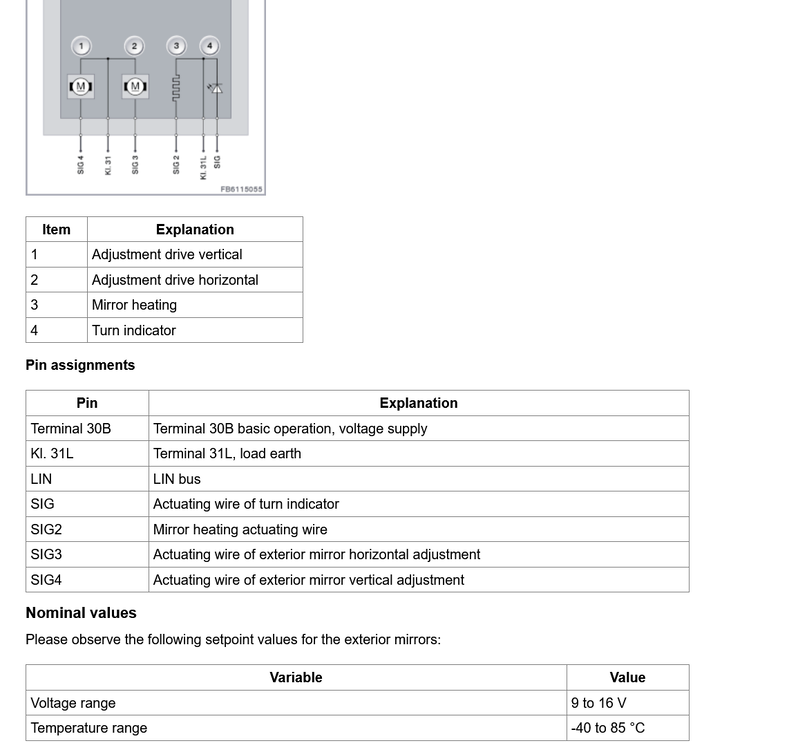
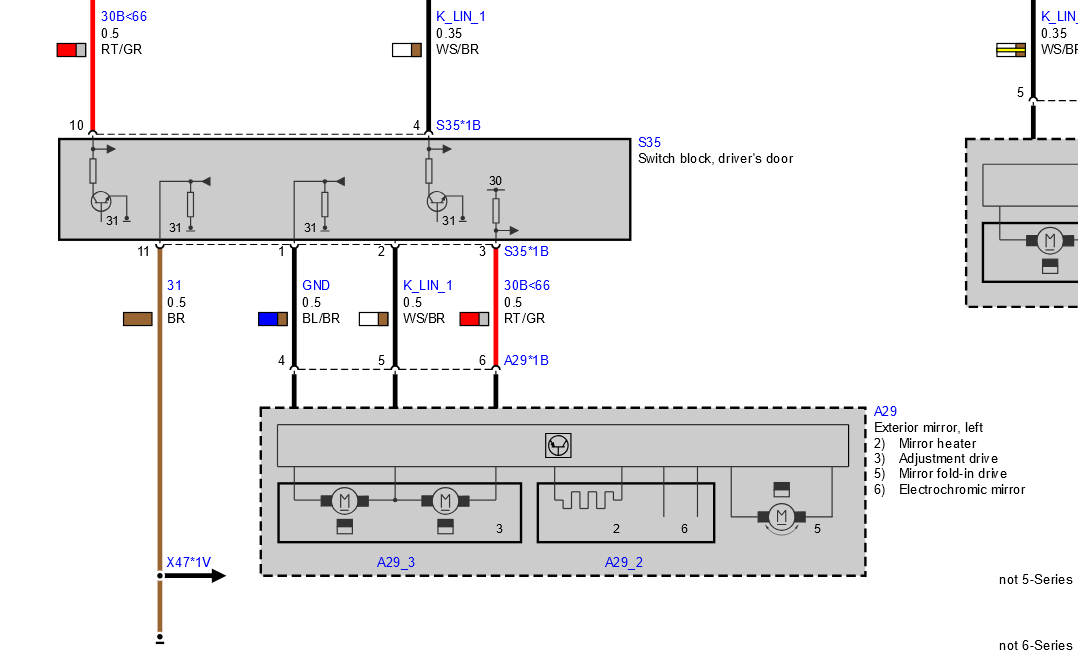
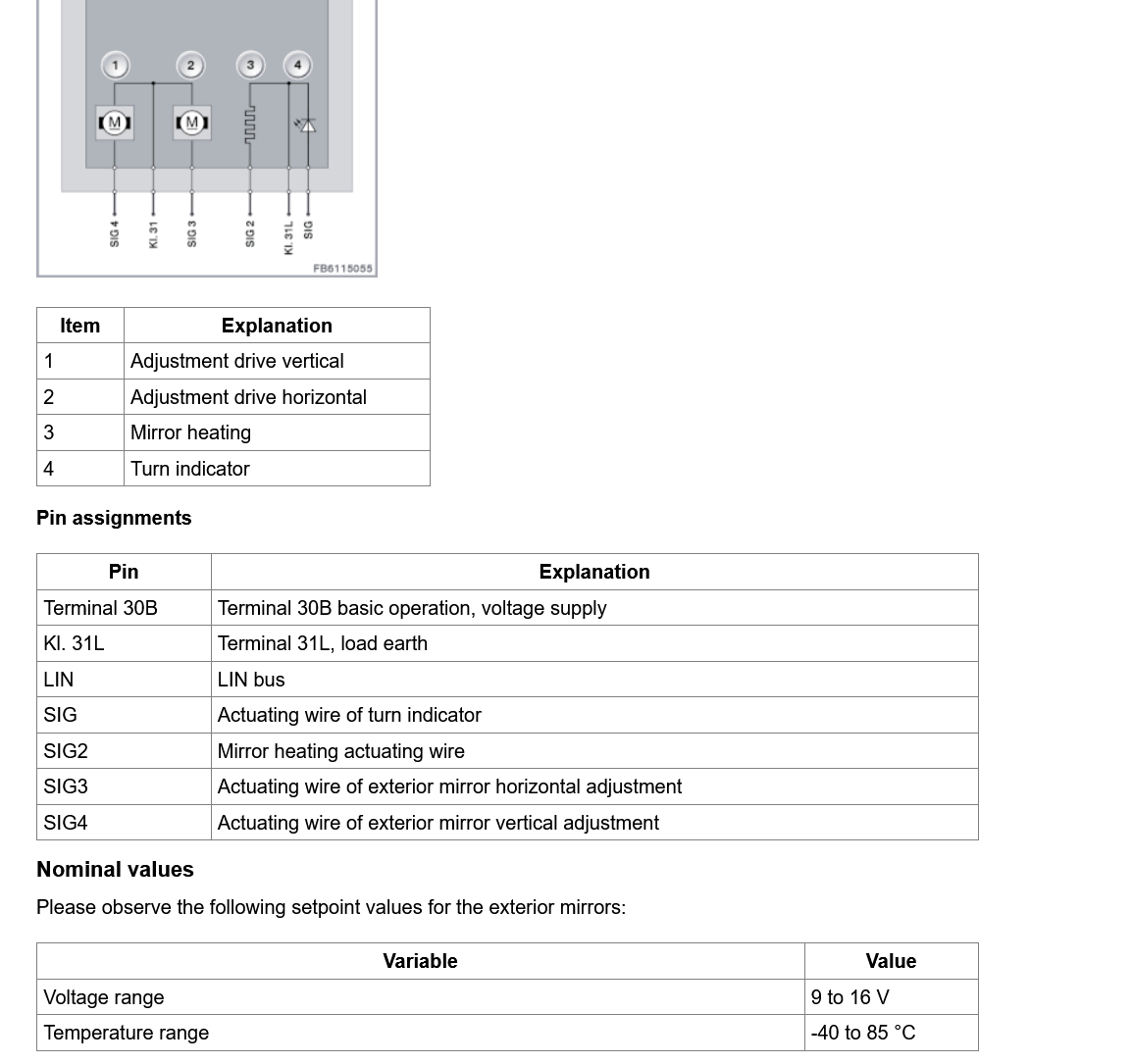
 Tak, dokladnie. Opcja S876A to czestotliwosc 315 MHz.Te lusterka sa sterowane modulem w lusterkach, wiec ze schematu wiele nie wynika dla Ciebie. Z tego co pamietam, to fotochromem steruje jakies bardzo niskie napiecie ponizej 2V.
 Tak, musisz miec pelne pzdzdata. Wersja mala (rozmiarowo) jest tylko do kodowania. Wiedzy jest mnostwo w internecie na ten temat. Do programowania oraz kodowania automatycznego, czyli wg listy wyposazenia, nie musisz miec zadnych launcherow, wiec mozesz sciagnac dowolna, nawet najnowsza wersje Esys i danych. Aczkolwiek jak Twoje auto jest starsze, a skoro to F10 to jest, to sciagnij wersje psdzdata z roku 2018-2019, tak aby chodzila z Twoim Esysem. Bo jak sie domyslam, masz "darmowa" wersje launchera, do Esys 2.8.1 (jak dobrze pamietam numer). Niestety Esys, podobnie jak ISTA, czesto wymusza programowanie wielu sterownikow. Mozna to przeskoczyc, ale to juz wyzsza szkola jazdy.nie. Kodowanie to kodowanie. Ale patrzac jak ten koles mieszal informacje w tym temacie, to moze nawet nie wiedzial co robi. Dlatego, tak jak pisalem wyżej, sprobuj wgrac nowsze oprogramowanie i moze sie uda rozwiazac problem. Kodowanie jest tylko zmiana parametrow sterownika. Jezeli wczesniej nic nie bylo robione pod tym katem, to nie widze tu mozliwosci maprawy problemu w ten slosob.no bo na to wyglada niestety.. ten system opiera sie tylko na dsc wiec nic wiecej nie moze byc winne. Mozesz jeszcze sprobowac wrzucic nowszy soft do ECU I tyle.Musialbys podpiac iste D i zobaczyc jaka dalsza diagnostyke i dzialanie proponuje, jako rozwiazanie problemu.uzyj Esys, szybciej I prosciej, szczegolnie ze ista moze wymuszac kodowanie i programowanie wielu ECUA co Ty chcesz ta ISTA robic?Nic nie masz wgrane starsze. Masz stary system ze stara magistrala CAN. Mozesz oczywiscie wymienic Gateway i generalnie zrobic grubsza zabawe. Tylko np gdy masz kamere KAFAS to bedziesz musial zmienic na nowy typ itd itp. Generalnie znajdz fachowca od tych spraw bo sam tego nie ogarniesz.zakodowac.. pewnie z AnglikaAle tam jest wyraznie napisane, ze gosciu wymienil wszystkie 4 sensory. Ty w ogole nie masz sensorow. Do tego on ma bledy, Ty twierdzisz ze w ogole nie masz. Nie wiem co ma wspolnego Twoj problem z jego.No to Ci powiem, ze cuda jakies. Skoro wywala Ci blad na iDrive, a nie ma go w diagnostyce, to bardzo dziwne. Powiedzialbym wrecz ze niemozliwe, bo modul skoro modul ESP raportuje to do HU, to na podstawie czego? Rozumiem, ze Ci sie to stalo po wymianie kol?Gdy zakladajales temat, to pisales, ze po wrzuceniu biegu wstecznego nie dzialaja Ci swiatla wsteczne i PDC. Nic nie pisales, ze masz bledy swiatel na desce. PDC ruszylo po naprawie kabla?Bo to nie jest powiadomienie bezposrednio. To jest jakis efekt uboczny problemu.A podlacz sie pod jakis komputer i sprawdz czy w pamieci sie jakis blad nie zapisuje.Ale to Ty kolego piszesz o zamykaniu kanalu FRM przy nadmiernej ilosci zwarc. Po czyms takim faktycznie trzeba odblokowac kanal Toolem. Ale co to ma wspolnego z PDC, ktore tez przestalo dzialac?



Powiadomienie o plikach cookie
Umieściliśmy na Twoim urządzeniu pliki cookie, aby pomóc Ci usprawnić przeglądanie strony. Możesz dostosować ustawienia plików cookie, w przeciwnym wypadku zakładamy, że wyrażasz na to zgodę.